
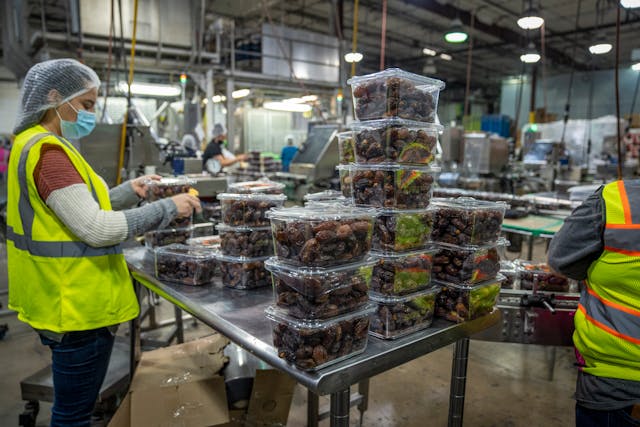
The food packaging industry worldwide is transforming due to technological advancements. This, in turn, changes the way products leave the factory and reach their customers. Smart machine, intelligent sensors, and software enables old problems in firms and retailers to be solved at low costs and within a shorter period of time. These transformations introduce safer food, reduce waste, and offer new ways to present products to consumers.
Technology and the Role of the Food Packaging Supplier
The data, sensors and cloud systems enable suppliers to enhance the way packages are designed, monitored and given safety approval. A food packaging supplier must provide safety, branding, and sustainable solutions in response to increasingly stringent regulations and growing customer demand. This broadened position gives suppliers a strategic alliance of food brands, distributors and shop chains. Here is how technology is transforming the food packaging supply business:
1. Smart Packaging and Food Safety
Freshness and storage history can be displayed at a glance using smart labelling, QR code labels, time-temperature indications and miniature sensors. They can detect and alert customers and grocery stores to food that is past its use-by date, may not have reached its use-by date, and document handling throughout transit. Subsequently, waste reduction, early recall prevention, and improving consumer confidence in its products occur for businesses.
2. Digital Printing and Customisation
The minimum setup times and inexhaustible waste are made possible through in-run decorations and the rapid replacement of artwork by digital printing. Designs can be tested, batched, and printed out with personalised messages or campaign traceability codes by the brand. The responsiveness of suppliers to patterns and seasonal changes reduces stored inventory and increases shelf life.
3. Sustainability and New Materials
Compostable films, recycled papers, bio-based inks, and coatings that minimise environmental impact are emerging materials. Technology is also instrumental in measuring the impact on the lifecycle, enabling firms to make informed decisions based on solid data and report improvements. Selling items with a lower amount of plastic is highly desired by consumers, as are items that can be recycled more conveniently and contain a distinct mark at the end of their life cycle.
4. Automation and Efficiency
Automation reduces the chances of making errors and accelerates regular processes on the line without endangering the staff in their work. Vision inspection and smart conveyors, as well as robotic packing, operate 24/7 and are connected to predictive maintenance to prevent downtime. This allows personnel to undergo quality checks and undertake innovative work, reducing unit costs and enhancing output continuity.
The Road Ahead
Analytics of data, AI, and demand forecasting will help forecast sales and reduce overproduction in supply chains. Grinding and live online dashboards will provide real-time feedback to suppliers from stores, warehouses, and transportation partners. Individuals utilising these tools will stay up to date and be at the forefront in safety, design, and sustainability, while reducing long-term expenses.
In conclusion, providing sufficient speed to processes is not the only thing technology enables. Food quality, packaging, brand stories, and the circular economy are examples of how technology drives change. When suppliers make judicious investments, food businesses can reduce food waste levels and comply with regulations, thereby gaining the confidence of customers across all economies. Packaging will be more intelligent, environmentally friendly and easy to use by all.
Explore our blog for more insights.